

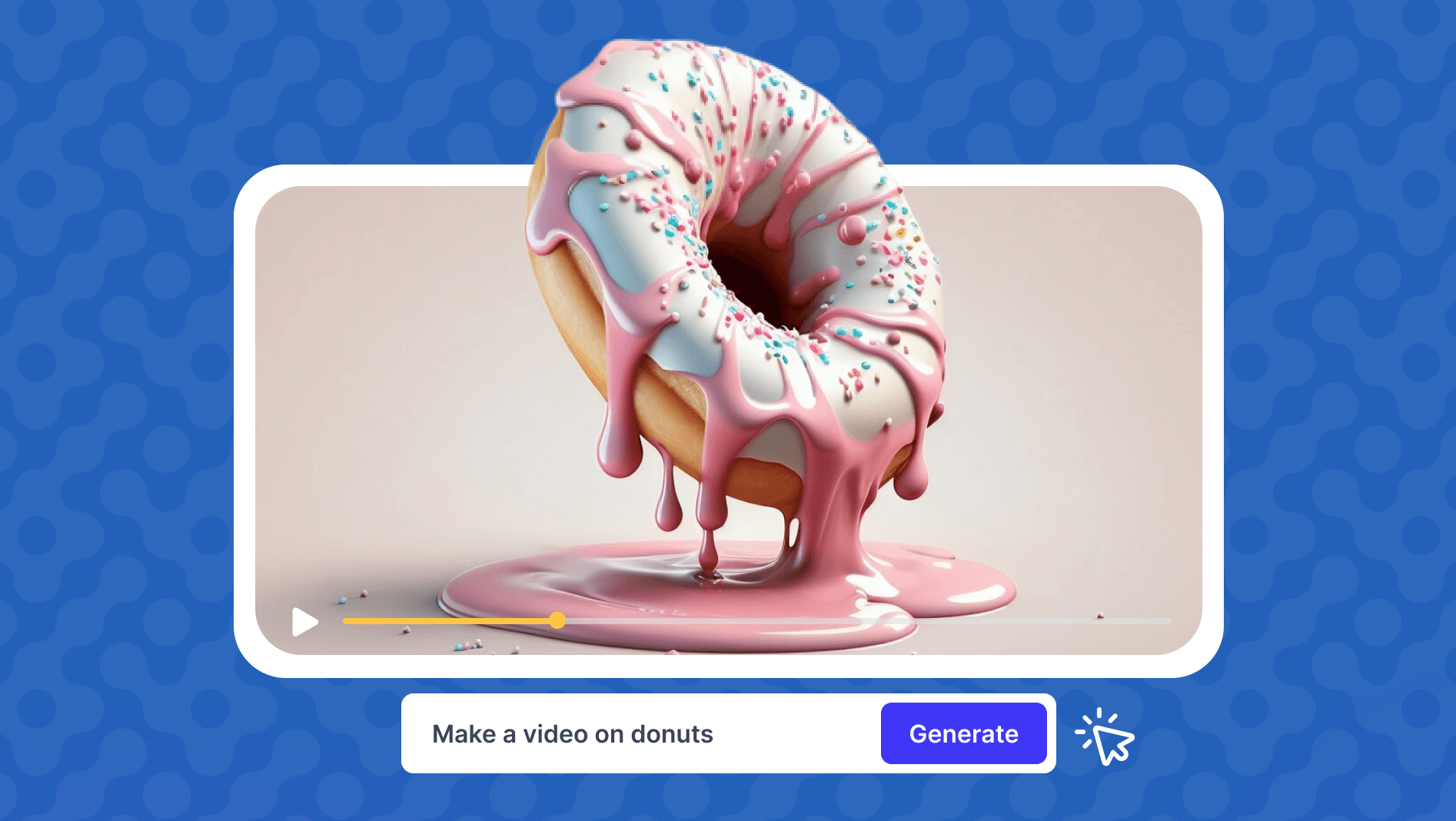
In today's digital age, storytelling has evolved beyond traditional narratives. The fusion of AI with visual content is revolutionizing how we share stories, making them more engaging.
The Evolution of Storytelling
Historically, storytelling relied on oral traditions, written texts, and static images. With technological advancements, we've transitioned to dynamic visuals, interactive media, and now, AI-driven content. This progression reflects our desire for more immersive and relatable narratives.
The Role of AI in Visual Storytelling
AI enhances storytelling by automating content creation and tailoring experiences to individual preferences. Google Veo 3 Flow shows where this is heading, generating synchronized dialogue and music so a story arrives fully voiced instead of silent.
Models like the Kling AI model take this further, bringing cinematic camera moves, physics simulation, and up to 1080p output to visual storytelling. Here's how:
- Automated Content Generation: AI tools can transform text into compelling visuals, including images and videos, streamlining the content creation process. Seedance 2.0 is a prime example of that shift — discover the real-world applications of Seedance 2.0 for video and animation. Models like the Google Veo 3 video generator make this possible, turning prompts into cinematic clips with synchronized audio. Models like the PixVerse AI video generator make this possible, converting written prompts into cinematic, story-driven video. Similarly we’ve also got Luma Ray 2 AI video model, which makes this effortless, adding natural motion and atmospheric lighting to your static marketing images.
- Platforms like Pixara enable users to input a topic and receive a complete package with scripts, visuals, and voiceovers. Other AI tools, such as Runway ML and Synthesia, are redefining video and animation creation.
Efficiency: By automating repetitive tasks, AI allows creators to focus on the creative aspects of storytelling, enhancing productivity.

Integrating AI into visual storytelling offers several advantages:
- Consistency: AI ensures uniformity in style and quality across various content pieces.
- Scalability: AI enables the production of large volumes of content without compromising quality, essential for businesses aiming to expand their digital presence.
Cost-Effectiveness: Automating content creation reduces the need for extensive human resources, leading to significant cost savings.

Real-World Applications
AI-powered visual storytelling is transforming multiple industries:
- Marketing: Brands utilize AI to create personalized advertisements that resonate with target audiences, enhancing conversion rates. Models like the Veo 3 Fast video generator make this practical at scale, turning prompts into polished clips with quick render times.
- Education: Educators develop interactive learning materials using AI, making complex subjects more accessible and engaging. Platforms like Khan Academy’s AI Tutor highlight the shift towards AI-assisted learning.
Entertainment: The film and gaming industries employ AI to generate realistic visuals and narratives, providing immersive experiences.

Challenges and Considerations
While AI offers numerous benefits, it's essential to address potential challenges:
- Ethical Concerns: Ensuring AI-generated content is used responsibly and does not perpetuate biases is crucial.
- Quality Control: Human oversight is necessary to maintain the authenticity and emotional depth of stories.
Technical Limitations: AI is continually evolving, and current limitations may affect the quality of generated content.
AI-powered visual content is reshaping the future of storytelling, offering innovative ways to engage audiences. By embracing this technology, creators can craft compelling narratives that resonate on a deeper level, paving the way for a new era of storytelling.