


Key Takeaways
- You can generally sell AI-generated images online, provided you follow the image generator's commercial terms, marketplace rules, intellectual property requirements, and applicable laws.
- Commercial usage permission and copyright ownership are different. Permission to sell an image does not automatically mean you own exclusive copyright over every AI-generated element.
- Human creative contributions can matter for copyright protection. Meaningful human-authored modifications may qualify for protection under applicable law, although simply refining prompts does not automatically establish human authorship.
- Not every marketplace accepts AI artwork in the same way. Some welcome qualifying AI submissions, while others have restrictions that sellers must check before uploading.
In this article
- 01Can You Sell AI Generated Images Online in 2026?
- 02What Changed for AI Sellers in 2026?
- 03What Do You Need Before You Start?
- 049 Best Platforms Where You Can Sell AI Generated Images Online
- 05Which Platform Should You Choose to Sell AI Generated Images?
- 06What Are the Exact Steps to Start Selling AI Generated Images?
- 07What Limits or Errors Should You Expect?
- 08Which Tool Makes It Faster?
- 09Realistic Expectations: How Much Can You Earn Selling AI Generated Images?
- 10How to Avoid Losing Money When Selling AI Generated Images
- 11AI Art Selling Compliance Checklist for 2026
- 12Final Verdict: Where Should You Sell AI Generated Images in 2026?
- 13Frequently Asked Questions About Selling AI Generated Images
Imagine spending an afternoon generating beautiful botanical illustrations with Midjourney. You create twenty different designs, prepare them as printable wall art, and upload everything to Etsy. A few weeks later, your listings start disappearing because you missed an important AI disclosure requirement.
Now imagine another creator uploading similar artwork to Adobe Stock, correctly identifying it as AI generated, and gradually building a portfolio that earns licensing royalties.
Both creators have access to similar AI tools. Both produce attractive images. Yet their experiences selling that artwork can be completely different.
This is something worth understanding before you start selling AI generated images online. The tools have made image creation incredibly accessible, but choosing the right marketplace, understanding its rules, preparing commercially usable artwork, and finding buyers still require some work.
The good news is that there are several platforms where creators can turn AI generated images into digital products, stock illustrations, printable artwork, merchandise, and other commercial assets.
Some platforms are designed for selling individual digital downloads. Others allow you to put your artwork on physical products such as mugs, posters, phone cases, and home decorations. There are also stock marketplaces where businesses and designers purchase image licenses for their projects.
In this guide, we'll look at nine platforms where you can sell AI generated images in 2026. We'll cover their AI content policies, selling fees, earning opportunities, limitations, and the type of creator who can benefit most from each one.
We'll also discuss an important question that many new AI artists overlook: if an image is generated by artificial intelligence, what copyright protection do you actually have?
Let's start with the basics.
Can You Sell AI Generated Images Online in 2026?
Yes, you can generally sell AI generated images online, provided you follow the marketplace's content policies, respect intellectual property rights, and comply with applicable laws.
However, being allowed to sell an image and owning exclusive copyright over it are two different things.
This is particularly important for creators working with platforms such as Midjourney, DALL E, Adobe Firefly, and other generative AI systems.
There are three important things to understand before listing your first product.
1. Selling AI Art Does Not Automatically Give You Copyright Protection
The US Copyright Office has maintained that copyright protection requires human authorship. An image generated entirely by artificial intelligence, with a person contributing only text prompts, generally does not qualify for copyright registration under current US standards.
Its January 2025 report on copyrightability explains that simply providing prompts does not necessarily establish sufficient human creative authorship.
The legal position became clearer following the Thaler v. Perlmutter case. In March 2025, the DC Circuit upheld the human authorship requirement, and the US Supreme Court declined to review the case in March 2026.
What does this mean for someone selling AI generated images?
You can generally sell an AI generated image, but you may not have exclusive copyright protection over the image itself in the United States.
For example, imagine you generate a beautiful landscape illustration using a single text prompt. You upload it to a digital marketplace and sell 100 downloads.
Another person might generate a similar image or reproduce your existing work. Your ability to prevent that person from copying the purely AI generated elements may be limited.
However, things can become different when you contribute meaningful human creativity.
Consider a creator who generates an initial image, manually rearranges its composition, paints additional elements, creates original illustrations, and makes substantial creative modifications.
Those human authored contributions may qualify for copyright protection, provided they meet the applicable legal requirements.
The important point is that simply spending hours refining prompts does not automatically establish copyright ownership.
If your business depends on exclusive ownership or licensing rights, consult an intellectual property attorney before making assumptions about what you can protect.
2. Avoid Copyrighted Characters, Brands, and Other People's Work
Generating an image with AI does not give you permission to commercially exploit someone else's intellectual property.
This is one of the easiest mistakes for new AI artists to make.
For example, you might generate:
- A collection of Disney inspired cartoon characters.
- A realistic portrait of a famous celebrity.
- An illustration featuring a recognizable superhero.
- A product image containing a protected company logo.
- Artwork deliberately recreating a copyrighted illustration.
These images can create intellectual property problems, even if you generated them yourself.
The same applies to trademarks, recognizable characters, and certain uses of a person's likeness.
A marketplace may remove your listings, restrict your account, or suspend your selling privileges if your content violates its intellectual property policies.
A safer commercial strategy is to develop original themes, characters, compositions, and visual concepts.
For example, rather than generating artwork featuring a recognizable fictional character, create an original fantasy character with its own appearance, clothing, background, and personality.
This gives you more creative freedom and reduces unnecessary legal exposure.
3. AI Disclosure Is Becoming a Standard Requirement
Marketplace disclosure rules deserve just as much attention as copyright.
Different platforms have different requirements. Some explicitly welcome AI generated artwork with mandatory labels, while others restrict AI submissions entirely.
For example, Adobe Stock requires contributors to identify qualifying generative AI submissions during the upload process. Shutterstock and Getty Images have historically maintained restrictions against contributor submitted AI generated content under their respective policies.
Etsy also requires sellers to disclose AI use in qualifying seller prompted creations under its Creativity Standards.
Failing to disclose AI involvement can result in rejected submissions, removed listings, or account restrictions.
My recommendation is simple: check the marketplace's latest AI content policy before uploading anything. Don't assume that a platform allowing AI artwork automatically permits every type of AI generated product.
What Changed for AI Sellers in 2026?
The biggest development for people selling AI generated artwork in 2026 is the growing emphasis on transparency, content identification, and responsible commercial use.
A few years ago, many creators could upload AI generated illustrations without giving much thought to how the artwork was produced. Today, marketplaces are becoming more specific about disclosure requirements, while regulators are introducing additional rules for certain AI generated content.
Let's look at the developments sellers should understand.
Etsy Has Clearer Expectations for AI Assisted Products
Etsy allows certain AI assisted products under its Creativity Standards, provided sellers meet its disclosure requirements.
If you generate artwork using prompts and sell the resulting digital illustrations, you generally need to disclose the use of AI.
Etsy places seller prompted AI creations within its Designed by a seller category, provided the product meets the applicable standards.
This matters because Etsy has a large audience interested in printable artwork, digital wall decorations, personalized illustrations, and creative downloads.
However, uploading AI generated images without the required disclosure can put your listings at risk.
Creators should also remember that Etsy has additional requirements concerning originality, intellectual property, and the nature of products offered for sale.
Adobe Stock Requires AI Identification During Submission
Adobe Stock has developed a relatively straightforward process for contributors submitting generative AI artwork.
When uploading qualifying images, contributors must select the appropriate generative AI disclosure option.
The requirement is part of the submission process, allowing Adobe to identify AI generated material within its contributor collection.
For creators, this makes the upload process fairly predictable. You can build an AI image portfolio, prepare your titles and keywords, and submit your work while following the platform's labeling requirements.
However, disclosure alone does not guarantee acceptance. Your images must still meet Adobe's technical and creative quality standards.
Redbubble Emphasizes Intellectual Property Compliance
Redbubble provides another opportunity for creators who want to turn AI generated illustrations into physical products.
You can upload original artwork and offer it on products such as clothing, stickers, wall art, and accessories.
Its content and intellectual property policies still apply to AI assisted designs. Artwork containing copyrighted characters, protected logos, or unauthorized brand references can lead to moderation problems.
Creators should review the latest content rules before publishing large collections.
The EU AI Act Introduces Further Transparency Requirements
The European Union's AI Act introduces another consideration for creators selling AI generated imagery to European customers.
From August 2, 2026, certain transparency obligations apply to providers of AI systems that generate synthetic content. The legislation includes requirements concerning machine readable marking of AI generated or manipulated content.
There are also disclosure considerations for certain AI generated or manipulated images that could be mistaken for authentic representations of people, places, or events.
However, these obligations do not apply identically to every creator or every image. The specific requirements depend on the role of the provider, the type of content, and the relevant legal provisions.
If you sell digital artwork internationally, pay attention to the rules applicable to your business and target markets.
The broader lesson for AI artists is straightforward: transparency is becoming an important part of running a sustainable digital product business.
What Do You Need Before You Start?
You don't need an expensive studio or professional illustration equipment to start selling AI generated images. However, you do need a reliable image generation tool, commercially suitable artwork, properly prepared files, and an understanding of your chosen marketplace's licensing and disclosure requirements. A clear niche and basic marketing plan will also help you attract buyers.
Before opening your first seller account, spend some time preparing the following essentials.
1. An AI Image Generation Tool
Popular options include:
- Midjourney: Suitable for artistic illustrations, fantasy artwork, realistic imagery, and decorative prints.
- Adobe Firefly: Useful for commercial design workflows, creative assets, and images intended for professional projects.
- DALL E: A convenient option for generating illustrations, conceptual images, and creative visual assets.
- Leonardo AI: Offers a range of image generation capabilities for character artwork, product visuals, illustrations, and creative designs.
- Flux based platforms: Useful for creators interested in detailed image generation, realistic compositions, and different artistic styles.
Before selecting a tool, read its commercial usage terms carefully. Having a paid subscription does not automatically guarantee unrestricted rights to every output.
Pay particular attention to licensing restrictions, ownership provisions, prohibited uses, and the terms applicable to images generated through third party platforms.
2. A Clearly Defined Product Category
One mistake beginners make is generating random images and uploading everything to the same store.
You might have beautiful landscape illustrations, cartoon characters, architectural concepts, abstract backgrounds, and botanical prints. However, a buyer searching for minimalist bedroom wall art may have little interest in your collection of fantasy character designs.
A defined niche makes your store easier to understand and gives your marketing efforts a clearer direction.
Some potential categories include:
- Botanical illustrations and printable wall art.
- Minimalist home decoration prints.
- Fantasy and science fiction artwork.
- Digital planners and creative backgrounds.
- Wedding invitations and event illustrations.
- Children's room decorations.
- Abstract patterns and textures.
- Social media graphics and marketing visuals.
You don't have to restrict yourself to one subject forever. Start with a category you can produce consistently, understand its audience, and expand once you have a better idea of what customers want.
3. High Resolution Images and Proper File Preparation
Image quality matters enormously when you're selling digital artwork.
An image that looks beautiful on a smartphone may appear blurry when printed as a large poster.
Prepare your files according to the product you intend to sell. Printable wall art, for example, may require multiple aspect ratios and high resolution exports.
You should also consider providing commonly requested formats such as PNG, JPEG, and PDF, depending on the product.
For stock marketplaces, follow their specific technical requirements for image dimensions, file formats, metadata, and quality.
4. A Marketplace Account and Payment Setup
You will need a seller or contributor account on your chosen platform.
Some marketplaces allow you to start selling almost immediately, while others require an application, portfolio review, or account approval.
Check payment availability in your country before investing significant time in building a store. This is particularly important for international sellers because payment providers, withdrawal methods, and supported currencies vary.
Also account for transaction charges, platform commissions, currency conversion, and any applicable taxes.
5. A Basic Marketing Plan
Uploading artwork is only part of the business.
On platforms such as Etsy, Creative Market, and Gumroad, product presentation, keywords, descriptions, and pricing can influence how easily buyers discover your work.
If you operate an independent store through Shopify, you'll need to work even harder on bringing visitors to your website.
Start with a manageable collection of well prepared products. Give each listing a descriptive title, relevant keywords, attractive preview images, and a clear explanation of what the buyer receives.
A small, carefully organized collection can provide a better starting point than hundreds of unrelated images uploaded without a clear selling strategy.
9 Best Platforms Where You Can Sell AI Generated Images Online
Choosing a marketplace is one of the most important decisions you'll make as an AI artist. Some platforms give you access to an established audience, while others provide the infrastructure to operate your own digital product business.
There is also a difference between selling an image as a downloadable file and licensing it for someone else's commercial project. The first model allows you to package artwork into products such as printable posters, illustrations, and design bundles. The second allows businesses, marketers, and designers to license your images for their own creative work.
I've included both types of marketplaces below, along with a few options that allow you to sell your artwork on physical merchandise.
1. Gumroad
Best for: Selling downloadable AI artwork, digital bundles, prompt collections, and creative resources directly to customers.
Gumroad is one of the easiest places to start selling AI generated images if you don't want to deal with the technical side of building an online store.
The platform is designed around digital products. You can upload your artwork, create a product page, set your price, and start accepting orders without purchasing hosting or setting up a complicated ecommerce website.
For example, imagine you've generated 100 high quality botanical illustrations using an AI image generator. You could package these into a downloadable collection and sell the complete bundle for $15.
You could also create smaller themed collections, such as minimalist floral backgrounds, watercolor illustrations, seasonal decorations, and printable botanical posters.
Gumroad supports several types of digital products, so you aren't restricted to selling individual images. You can also create downloadable resources containing prompts, tutorials, design templates, and other creative materials.
Gumroad Pricing and Selling Fees
Gumroad does not charge a monthly subscription fee for its standard selling model.
Its published fee structure includes:
- Direct sales: 10% of the transaction plus $0.50 per sale.
- Discover marketplace sales: 30% of the transaction.
- Payment processing: Applicable processing charges may also apply depending on the transaction and payment method.
The difference between direct sales and Discover sales is worth understanding.
If someone purchases your product through a link you share on your website, newsletter, or social media account, the direct sale fee applies.
However, sales generated through Gumroad Discover carry a considerably higher commission.
This means Gumroad works particularly well for creators who already have an audience and can bring their own visitors to their product pages.
Advantages of Selling AI Art on Gumroad
- Quick setup: You can create a product page and start selling without building a complete ecommerce website.
- No mandatory monthly subscription: You don't have to worry about paying a recurring platform fee during months when sales are slow.
- Multiple product formats: Sell individual illustrations, downloadable collections, prompt libraries, and other digital resources.
- Global selling infrastructure: Gumroad operates as a merchant of record for applicable transactions, handling certain sales tax and VAT responsibilities.
- Direct customer relationships: You can build an audience around your products and use your own marketing channels to generate repeat purchases.
Disadvantages You Should Know About
The biggest limitation is that Gumroad doesn't automatically provide the kind of built in buyer traffic you might find on Etsy.
You need to bring customers to your store through social media, email marketing, search traffic, or other promotional channels.
The 30% Discover fee can also eat into your profit margins if you depend heavily on marketplace discovery.
For someone selling inexpensive AI generated images, transaction fees can become particularly noticeable.
My Verdict
Gumroad is a good starting point for AI artists who already have an audience or know how to generate traffic through content marketing.
If you're planning to sell themed image collections, printable illustrations, or downloadable creative resources, you can get started without making a substantial financial commitment.
However, if you have no audience and expect customers to discover your artwork organically, you may want to consider marketplaces with stronger built in shopping traffic.
2. Shopify
Best for: Building an independent AI art business with complete control over branding, products, pricing, and customer relationships.
Shopify is a different proposition from Gumroad.
Rather than simply giving you a page where you can sell downloadable images, it provides the infrastructure to operate a complete online store.
You can create a branded website, organize your artwork into collections, build product pages, accept payments, and connect various marketing and automation applications.
This becomes particularly useful when your AI art business starts growing beyond a few downloadable products.
Imagine building a store dedicated to printable home decorations. You could organize your products into collections such as botanical wall art, abstract illustrations, modern architecture, and minimalist bedroom prints.
You could also offer different product packages, bundle related designs, create promotional discounts, and sell commercial licenses for selected artwork.
Shopify gives you considerable flexibility over how these products are presented and sold.
Shopify Pricing and Transaction Fees
The reference pricing for Shopify's standard plans is:
- Basic: $29 per month when billed annually, or $39 month to month.
- Grow: $79 per month when billed annually, or $105 month to month.
- Advanced: $299 per month when billed annually, or $399 month to month.
Online card processing on the Basic plan starts at approximately 2.9% plus $0.30 per transaction under the referenced US pricing.
Actual fees depend on your country, payment provider, subscription, and available payment methods. Third party payment gateway charges may also apply.
You should also budget for any paid applications, premium themes, and other services required to operate your store.
For downloadable artwork, Shopify's digital product applications can help deliver purchased files automatically.
Advantages of Selling AI Art on Shopify
- Complete store customization: You control the website design, branding, navigation, product presentation, and customer experience.
- No marketplace commission structure: You don't have to surrender a large percentage of every sale to a digital art marketplace, although payment and subscription costs remain.
- Scalable product catalog: You can organize thousands of products into collections and build a more sophisticated ecommerce operation.
- Marketing integrations: Connect email marketing tools, analytics applications, advertising platforms, and other services.
- Customer relationship management: Build your own customer database and develop repeat purchase opportunities, subject to applicable privacy and marketing rules.
- Flexible product offerings: Sell downloadable illustrations, image bundles, licenses, and physical merchandise through compatible applications and services.
Disadvantages You Should Know About
Shopify has one major disadvantage for beginners: it doesn't bring you customers automatically.
You can spend hours creating an attractive store, uploading hundreds of images, and writing detailed product descriptions, but none of that guarantees visitors.
You'll need to invest time in SEO, social media marketing, paid advertising, email campaigns, or other traffic generation methods.
There is also a recurring financial commitment.
Your subscription continues even if you don't make a single sale during a particular month. Applications, payment processing, and marketing expenses can increase your operating costs.
My Verdict
Shopify makes sense once you've validated demand for your AI generated products and want to build a recognizable brand.
I wouldn't recommend starting with an expensive standalone store if you haven't sold anything yet.
Test your products on marketplaces, identify what customers are purchasing, and consider moving to Shopify when you have enough demand to justify the additional expenses.
3. Payhip
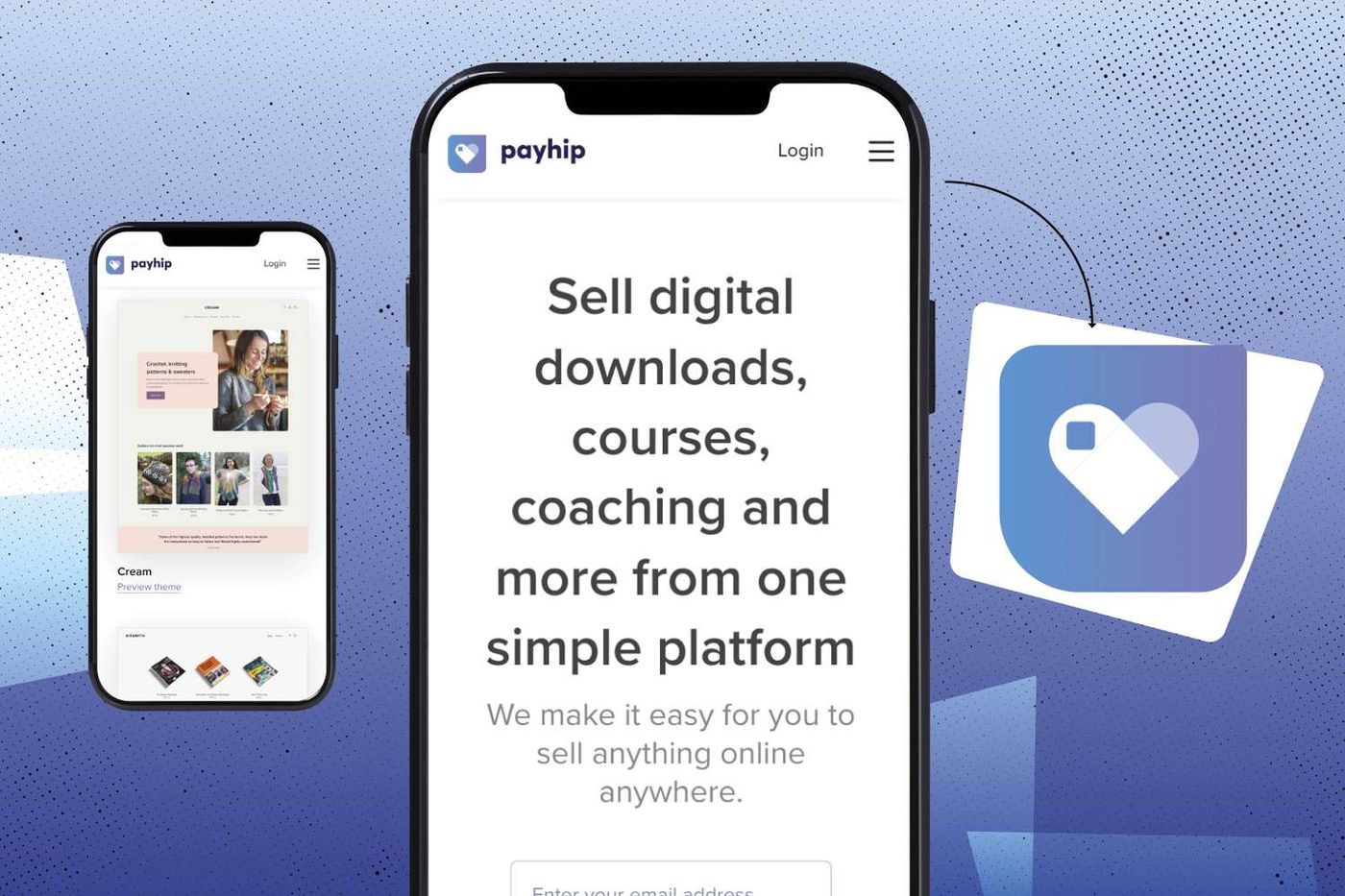
Best for: Selling downloadable AI artwork, digital collections, and creative resources with a straightforward pricing structure.
Payhip is a relatively simple digital product selling platform that deserves consideration if you're comparing alternatives to Gumroad.
It gives creators the ability to set up a storefront, upload digital products, accept payments, and deliver purchased files automatically.
You don't need to understand website development or build a complicated ecommerce system to get started.
For AI artists, this makes it useful for selling printable wall art, illustration bundles, background collections, digital design assets, and other downloadable products.
One particularly useful feature is its handling of EU and UK VAT on applicable digital product transactions.
This can save sellers considerable administrative work when selling to customers in those markets.
Payhip Pricing and Selling Fees
Payhip offers three main plans under its published pricing structure:
- Free Forever: $0 per month with a 5% platform transaction fee.
- Plus: $29 per month with a 2% transaction fee.
- Pro: $99 per month with no Payhip transaction fee.
Payment processing charges from Stripe or PayPal still apply, depending on your payment setup.
The free plan is particularly useful for beginners because you can start selling without paying a monthly subscription.
As your sales increase, you can compare the higher subscription costs against the savings from reduced transaction fees.
For example, someone generating consistent monthly revenue may find the Plus or Pro plan more economical than remaining on the free tier.
Advantages of Selling AI Art on Payhip
- Simple storefront setup: Create a digital product store without requiring advanced technical knowledge.
- Multiple pricing options: Choose a free plan or upgrade as your business grows.
- Automatic digital delivery: Customers can receive their purchased artwork without you manually sending files.
- EU and UK VAT handling: Payhip provides automated VAT collection and remittance for applicable transactions.
- Built in marketing features: Offer discounts, coupons, affiliate promotions, and product bundles.
- No complicated approval process: You can generally get your store running quickly, subject to account and content requirements.
Disadvantages You Should Know About
Payhip doesn't have the same marketplace discovery ecosystem as Etsy.
You should not expect thousands of buyers to find your artwork simply because you've uploaded it.
You'll need to promote your products through your website, social channels, email list, or other traffic sources.
Its ecosystem is also smaller than Shopify's, which means you may find fewer third party integrations and resources for more advanced ecommerce operations.
Also, don't assume that VAT handling means Payhip takes care of every tax obligation in every country. Your own business income tax and other applicable reporting responsibilities remain yours.
My Verdict
Payhip is a practical option for creators who want a simple digital product store without committing to Shopify's monthly expenses.
If you're selling AI generated illustrations, printable collections, or design bundles, its free plan offers a relatively inexpensive way to test the market.
It's particularly worth considering if you expect to sell to customers in the EU or UK and want assistance with applicable digital sales VAT responsibilities.
4. Creative Market
Creative Market is a more specialized marketplace than Gumroad or Payhip.
Its audience primarily consists of designers, creative professionals, marketers, and people looking for assets they can incorporate into their own projects.
This makes it an interesting opportunity for AI artists who produce more than decorative images.
For example, you could create a collection of abstract textures, background illustrations, botanical design elements, presentation graphics, or decorative patterns.
These assets can appeal to graphic designers, website developers, content creators, and small businesses looking for ready made visual resources.
The important thing is to think like a designer selling useful creative assets rather than someone simply uploading attractive pictures.
A collection of 50 well organized background textures in multiple formats may provide more value to a professional buyer than a folder containing 50 unrelated AI generated images.
Creative Market Pricing and Selling Fees
Creative Market generally operates on a commission model rather than requiring every seller to purchase a monthly subscription.
Its standard commission structure has historically started with the platform retaining approximately 50% of each sale, although individual shop commission rates can vary.
For example, if your product sells for $20 and your shop receives a 50% share, your earnings before other applicable adjustments would be $10.
The commission structure is something to evaluate carefully before setting your product prices.
Unlike a marketplace where you keep most of the sale price, Creative Market takes a substantial portion in exchange for access to its established design focused audience.
How to Start Selling AI Generated Assets
Opening a shop generally involves an application and review process.
You may need to demonstrate the quality and consistency of your work before receiving approval.
Once accepted, you can organize your products into categories such as:
- Illustration collections.
- Backgrounds and textures.
- Graphic elements.
- Mockup resources.
- Presentation templates.
- Decorative patterns.
- Digital design resources.
Creative Market also has specific requirements concerning AI generated products.
Sellers must answer the applicable disclosure question when a product or a key component was primarily created using generative AI tools. Qualifying listings receive an AI identification badge.
Always review the current contributor requirements before submitting your products.
Advantages of Selling AI Art on Creative Market
- Design focused audience: Your products reach people actively looking for graphics and creative resources.
- Higher value product opportunities: Well packaged asset collections can command better prices than individual decorative downloads.
- Multiple product categories: You can sell textures, backgrounds, illustrations, templates, and other design resources.
- Established marketplace: You don't have to build an entire customer acquisition system from scratch.
- Professional positioning: The platform can help you position your products as useful resources for working designers.
Disadvantages You Should Know About
Creative Market has a higher quality expectation than many beginner friendly digital marketplaces.
Simply generating attractive images may not be enough to create a competitive product.
Buyers often expect organized files, consistent visual styles, useful dimensions, and formats that fit their creative workflows.
The platform's commission can also reduce your margins considerably.
There's also an approval process, meaning you cannot assume that every applicant will receive permission to open a shop.
My Verdict
Creative Market is worth considering if you can produce professional looking design assets rather than simply individual AI illustrations.
I'd recommend creating complete collections, preparing different file formats, and adding meaningful editing or organizational value before applying.
A designer purchasing a background collection wants something they can immediately incorporate into a project. Your job is to make that process as convenient as possible.
5. Adobe Stock
Best for: Licensing AI generated photographs, illustrations, backgrounds, and other stock images to businesses and creative professionals.
Adobe Stock is one of the more interesting options for creators who want to earn money through image licensing.
Its business model is different from selling printable artwork on Etsy or downloadable collections on Gumroad.
Here, customers purchase licenses that allow them to use your submitted images in their own projects, subject to the applicable license terms.
Potential buyers include advertising agencies, graphic designers, marketing departments, publishers, website developers, and other creative professionals.
For example, a marketing agency might need an image of a modern office environment for a corporate presentation.
A website designer might be looking for an attractive botanical background.
A small business might need a collection of generic product lifestyle images for its advertising campaigns.
These are the kinds of commercial requirements that create opportunities for stock image contributors.
Adobe Stock AI Content Policy
Adobe Stock accepts qualifying generative AI images, provided contributors follow its submission guidelines.
You must identify qualifying AI generated submissions by selecting the appropriate disclosure option indicating that the content was created using generative AI tools.
This is an important requirement, not an optional recommendation.
Adobe also expects contributors to have the necessary rights and permissions for everything they submit.
You must avoid submitting images that infringe copyrights, trademarks, or other protected rights.
There are also technical and quality requirements. Poorly rendered hands, distorted objects, inconsistent lighting, unwanted artifacts, and unrealistic details can all affect submission quality.
Adobe Stock Contributor Earnings
Adobe Stock's standard royalty structure for photos, vectors, and illustrations generally provides a 33% royalty rate.
For example, if a qualifying license produces a $3 royalty calculation, your share at 33% would be approximately $0.99.
Actual earnings depend on the type of license, subscription arrangement, applicable royalty calculation, and contributor agreement.
Not every download produces the same amount of income.
This is why stock image selling is generally a portfolio business.
One image might generate a few downloads over several months, while another could attract consistent licensing activity because it matches an ongoing commercial demand.
Advantages of Selling AI Art on Adobe Stock
- Established commercial audience: Your images become available to customers working on professional creative projects.
- AI content acceptance: The platform has a defined process for identifying qualifying generative AI submissions.
- Licensing revenue: You can earn royalties when customers license your accepted content.
- Broad creative categories: Submit illustrations, backgrounds, conceptual images, and other qualifying stock assets.
- Portfolio building: A growing collection of relevant images can create multiple opportunities for licensing sales.
Disadvantages You Should Know About
Adobe Stock has strict quality requirements.
Generating hundreds of images doesn't mean hundreds will be accepted. Every submission needs to meet the platform's technical, visual, and legal requirements.
Another limitation is earning potential per individual download.
A single accepted image might not generate meaningful income. You need a relevant collection that addresses what buyers are searching for.
There is also considerable competition from professional photographers, illustrators, and other AI contributors.
My Verdict
Adobe Stock is one of my preferred recommendations for creators who want to build a long term AI image licensing portfolio.
It makes sense if you enjoy producing commercially useful images and can maintain consistent quality across your submissions.
Don't treat it as a quick way to make hundreds of dollars from a handful of AI generated pictures.
Think of it as building a digital asset portfolio that could generate licensing income over time.
6. Zazzle
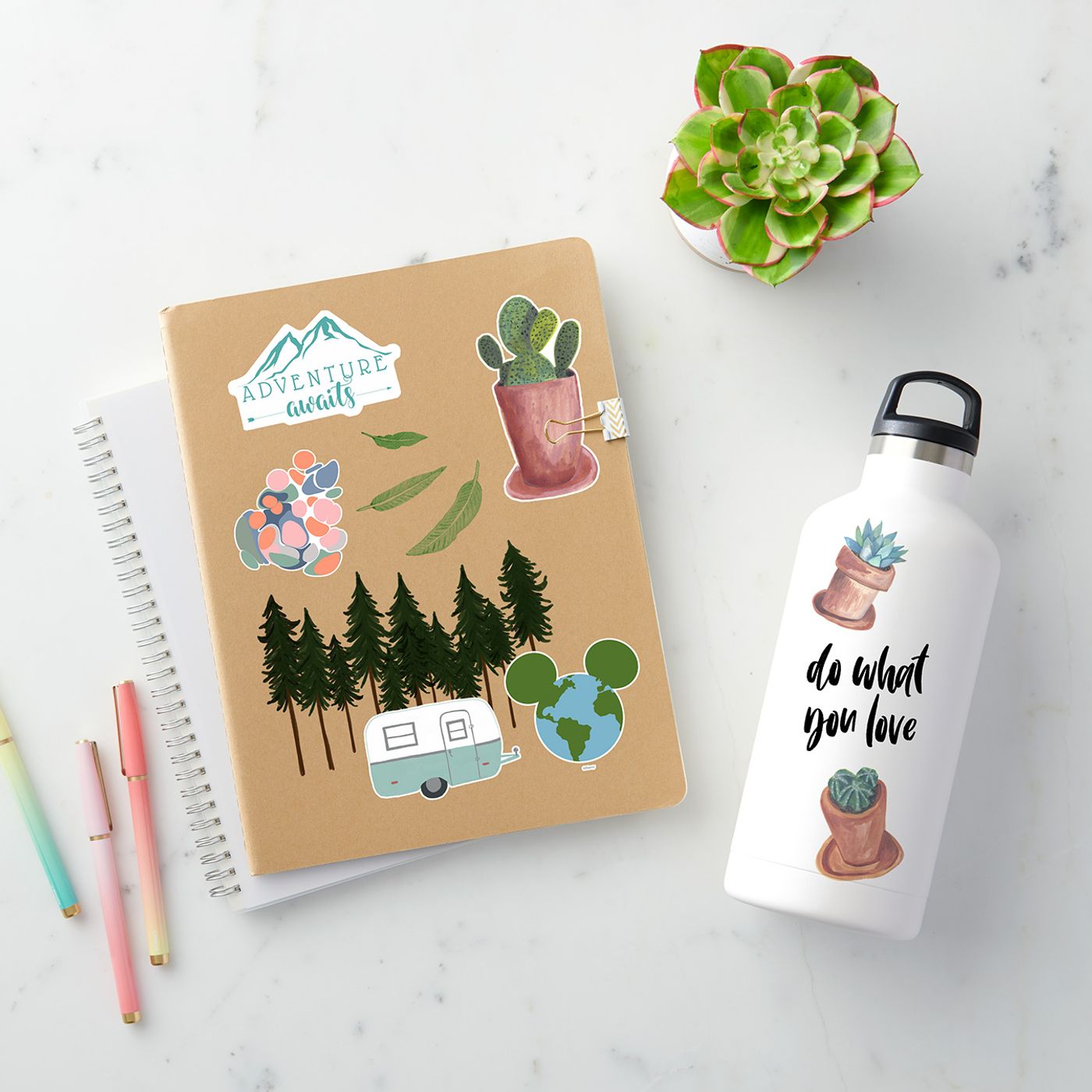
Best for: Turning AI generated illustrations into customized merchandise, invitations, stationery, and personalized gifts.
Zazzle is a print on demand marketplace where creators can place their designs on physical products.
This gives AI artists an opportunity to earn money without manufacturing, storing, or shipping merchandise themselves.
You upload your artwork, select the products on which you want it displayed, and customize the product presentation.
When a customer places an order, Zazzle handles the applicable production and fulfillment process.
This opens up opportunities beyond downloadable images.
For example, a collection of original botanical illustrations could become:
- Greeting cards.
- Wedding invitations.
- Mugs and drinkware.
- Posters and art prints.
- Business cards.
- Personalized stationery.
- Home decoration products.
The same artwork can potentially serve several product categories, allowing you to build a larger catalog without generating an entirely new collection for every product.
Zazzle AI Content Policy
Zazzle permits qualifying original AI generated designs.
Its designer guidelines request the appropriate generative content tagging, including the use of the designated generativecontent tag for applicable designs.
However, AI generated artwork must still comply with the platform's intellectual property, content, and quality requirements.
A design featuring unauthorized characters, trademarks, or copyrighted material can create problems even if the image was generated through an AI tool.
Zazzle Royalties and Earnings
Zazzle allows designers to set royalty rates for their products.
A rate around 10% to 15% can be a starting point for evaluating potential earnings, although the appropriate rate depends on the product and current platform terms.
For example, if a product sells for $30 and your applicable royalty is 10%, your earnings would be $3 before any applicable adjustments.
Keep in mind that Zazzle's pricing and royalty calculations can include additional considerations, particularly at higher royalty settings.
Review the current designer pricing rules before deciding how much to charge.
Advantages of Selling AI Art on Zazzle
- No inventory management: You don't need to manufacture or store physical products.
- Multiple merchandise categories: One original illustration can be adapted for different products.
- Personalization opportunities: Customers can purchase customizable stationery, invitations, and gifts.
- Established shopping marketplace: You gain access to buyers already looking for customized products.
- Flexible royalty settings: You have some control over how much you earn from qualifying product sales.
Disadvantages You Should Know About
Product discovery can be challenging because Zazzle has an extensive catalog.
Simply uploading a design doesn't guarantee that customers will find it.
Your product titles, descriptions, tags, and visual presentation all matter.
You should also prepare your artwork carefully for different merchandise dimensions. A design that looks attractive on a square mug might not translate well to a large horizontal poster.
High royalty settings can also trigger additional pricing considerations, so you need to understand the platform's current fee structure.
My Verdict
Zazzle is worth considering if you enjoy creating decorative illustrations, personalized graphics, and designs suitable for physical merchandise.
It is particularly interesting for artists who want to build themed collections around weddings, holidays, celebrations, home decorations, and gifts.
You can potentially earn from the same original artwork across multiple product categories, provided each design is adapted appropriately.
7. Society6
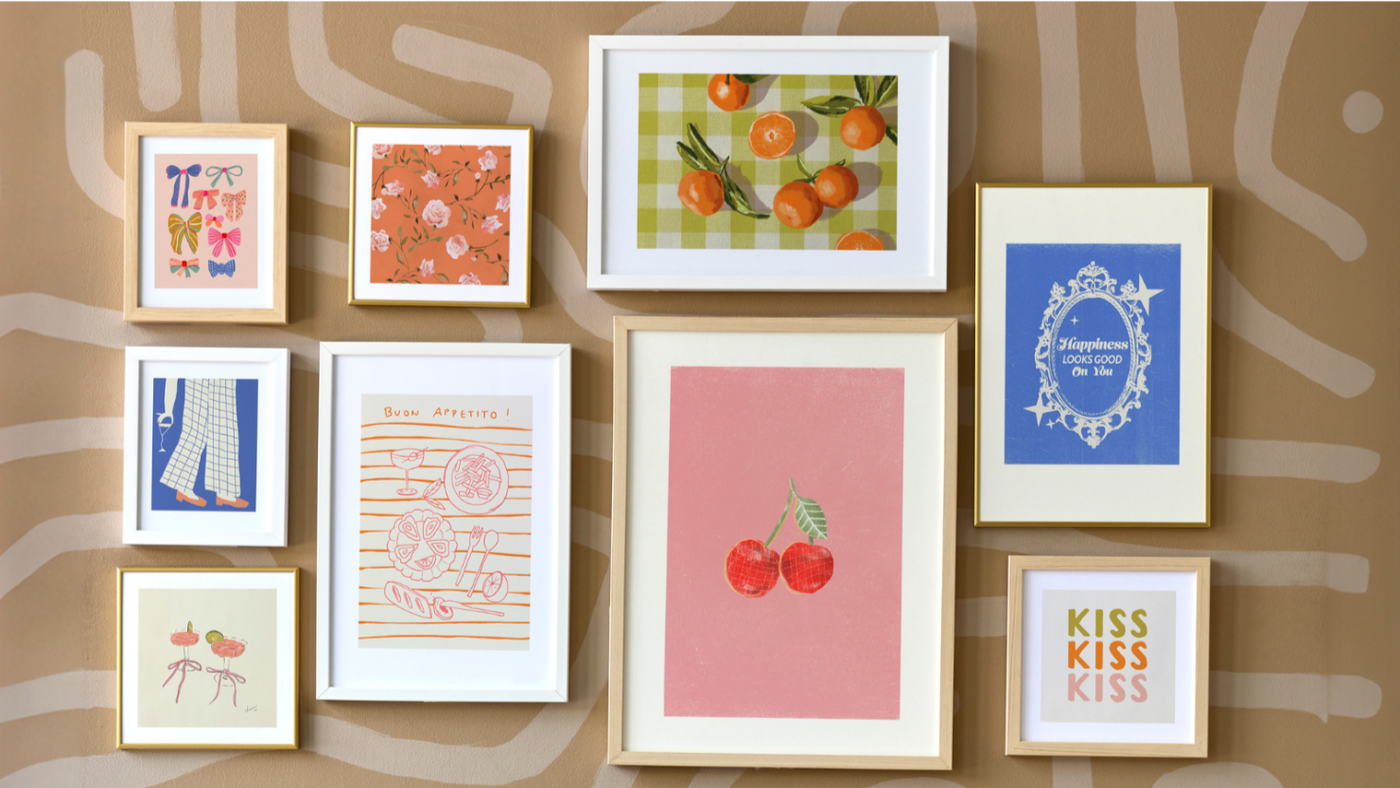
Society6 is another print on demand marketplace that allows artists to offer their designs on physical products.
Its audience has a particular interest in decorative artwork, interior design, and creative home products.
This makes it relevant for AI artists producing visually appealing illustrations, abstract compositions, landscapes, and decorative patterns.
Imagine creating a collection of modern botanical artwork.
You could prepare a series of complementary illustrations, each using a consistent color palette and artistic direction.
These designs could appeal to customers looking for wall art, decorative prints, and other home related products.
The platform handles the production and fulfillment side of qualifying purchases, allowing creators to concentrate on their artwork and product catalog.
Society6 AI Content Policy
Society6's terms require artists to have the necessary rights to the content they upload.
Its position on AI generated artwork should be checked against the latest artist terms and submission requirements before uploading.
This deserves particular attention because the ability to generate an image with AI does not automatically establish that you possess every right required under the platform's agreement.
You should also avoid copyrighted characters, trademarks, unauthorized likenesses, and other protected material.
Society6 Artist Earnings and Account Structure
Society6 has changed its artist account and selling structure over time.
Its membership arrangements and product listing limits have also been subject to updates.
For this reason, check the current artist membership options before calculating your potential costs.
Your earnings depend on the applicable product pricing and artist compensation structure.
Don't assume that every product offers the same margin. Wall prints, canvases, home accessories, and other merchandise can have different pricing and earning arrangements.
Advantages of Selling AI Art on Society6
- Decorative product audience: Your artwork reaches shoppers interested in home decoration and creative lifestyle products.
- Print on demand fulfillment: You don't need to purchase merchandise inventory.
- Multiple product categories: Qualifying designs can be offered across different types of home and lifestyle merchandise.
- Portfolio presentation: Your designs can be organized into a recognizable artistic collection.
- Potential repeat purchases: Complementary designs can encourage customers to purchase multiple pieces from a collection.
Disadvantages You Should Know About
Society6 is not necessarily the easiest starting point for every AI artist.
Its account structure, listing arrangements, and current eligibility requirements need to be considered before committing to the platform.
There is also considerable competition in decorative artwork.
Your images need a clear aesthetic identity and should look attractive in the context of the products on which they appear.
An AI generated illustration that looks impressive as a digital image might not necessarily translate into a commercially appealing canvas or cushion design.
My Verdict
Society6 is worth evaluating if your artwork is particularly suitable for interior decoration and lifestyle merchandise.
However, I would check its current AI eligibility requirements and artist account terms carefully before building a large portfolio around it.
8. Wirestock
Wirestock offers an interesting solution to one of the biggest problems stock image contributors face: managing submissions across multiple platforms.
Suppose you've generated 200 high quality AI images and want to make them available on several stock marketplaces.
Submitting every image individually, preparing keywords, writing descriptions, and managing contributor accounts can become time consuming.
Wirestock aims to simplify parts of this process.
It allows creators to upload content through its platform and access distribution opportunities with supported stock partners.
Depending on the current distribution arrangements, these partners can include marketplaces such as Adobe Stock, 123RF, Depositphotos, and Freepik.
Wirestock also provides creator portfolio features and tools that can help with preparing image metadata.
How Selling AI Art Through Wirestock Works
The general process is straightforward.
You create an account, upload your artwork, prepare the required descriptions and keywords, and select the available distribution options.
Wirestock can assist with metadata generation, reducing some of the repetitive work associated with stock image submissions.
However, distribution does not mean every partner automatically accepts every image.
Individual stock marketplaces can maintain their own submission standards, AI content policies, and approval processes.
You should also pay attention to exclusivity and distribution terms.
For example, distributing an image through a partner arrangement may affect your ability to submit the same image independently to that marketplace.
Read the applicable agreement before distributing the same files through multiple channels.
Wirestock Pricing and Creator Earnings
Wirestock has offered different subscription and commission arrangements over time.
The reference material for this comparison indicates creator earnings of approximately 65% of partner sales under certain arrangements, with potentially different rates for direct portfolio sales and premium subscriptions.
These figures should be checked against the current plan and distribution agreement before you calculate expected income.
Don't assume that a stated commission percentage represents your earnings from every marketplace transaction.
The amount you receive can depend on the partner's licensing terms, Wirestock's commission, subscription arrangements, and the type of sale.
Advantages of Selling AI Art on Wirestock
- Centralized distribution: Submit artwork through one service for access to supported distribution partners.
- Metadata assistance: Tools can help generate titles, descriptions, and keywords.
- Portfolio management: Organize your work and manage distribution opportunities from a centralized account.
- Multiple licensing opportunities: Your artwork may become available to buyers across several supported stock marketplaces.
- Less repetitive administration: You can reduce the time spent managing individual submission workflows.
Disadvantages You Should Know About
Wirestock introduces another layer between you and the final buyer.
You need to understand how its commission structure works and how much of each transaction you actually receive.
Some features may also require a paid subscription, creating a recurring expense before you've generated meaningful income.
Another important consideration is distribution exclusivity. You should understand exactly which images are being distributed, to which partners, and under what conditions you can submit them independently.
My Verdict
Wirestock is worth considering if you're serious about stock image selling and want to distribute a substantial portfolio without manually managing every submission.
It can save time, particularly when you're working with hundreds of images.
However, compare its subscription costs and commission structure against the benefits of submitting directly to stock marketplaces.
For someone starting with ten or twenty images, a paid distribution service may not be necessary.
9. Redbubble
Best for: Selling AI assisted illustrations on stickers, clothing, posters, accessories, and other print on demand products.
Redbubble is a popular print on demand marketplace that allows independent artists to sell their designs on physical merchandise.
The concept is simple.
You upload an illustration, choose the products on which you want it displayed, and publish your designs.
When someone purchases an item featuring your artwork, Redbubble handles the applicable production and fulfillment process.
For AI artists, this creates opportunities to monetize designs that might not necessarily work as standalone digital downloads.
For example, a collection of cute animal illustrations could be adapted for stickers, phone cases, T shirts, and posters.
Likewise, abstract patterns and decorative artwork can be used across different merchandise categories.
The platform gives creators an opportunity to test different product ideas without purchasing inventory or managing shipping operations.
Redbubble AI Content Policy
Redbubble allows qualifying AI assisted designs, subject to its content and intellectual property policies.
Its rules concerning copyrighted material and trademarks are particularly important.
You cannot assume that an AI generated image becomes commercially safe simply because you created it through a prompt.
For example, uploading a recognizable movie character, branded logo, or unauthorized celebrity image can still result in content moderation problems.
Redbubble's content rules and applicable tagging requirements should be checked before publishing your designs.
How to Start Selling AI Artwork on Redbubble
You can create an artist account and upload your original designs.
Once uploaded, you can choose which products should display your artwork and adjust how the design fits each product.
This is important because different merchandise categories require different layouts.
A square illustration may work well on a sticker, while a T shirt design might need a transparent background and a more carefully positioned composition.
You should also spend time preparing descriptive product titles, relevant tags, and useful descriptions.
Redbubble has a large catalog, so product discoverability can be challenging without proper listing optimization.
Advantages of Selling AI Art on Redbubble
- No physical inventory: You don't need to manufacture or store merchandise.
- Multiple product opportunities: Sell designs on clothing, stickers, posters, phone cases, and other products.
- Established marketplace: Your designs can reach customers who already shop for independent artwork.
- Simple product publishing: You can adapt one illustration for several merchandise categories.
- International selling opportunities: Redbubble provides access to a broader customer base through its marketplace and fulfillment infrastructure.
Disadvantages You Should Know About
Competition is a significant challenge.
Thousands of artists offer designs across similar product categories, making it difficult for generic AI generated illustrations to attract attention.
Redbubble's account fees, artist margins, and platform pricing arrangements have also changed over time.
You should check the current account structure and earnings calculations before deciding how much profit you can expect from each sale.
Another consideration is product quality.
A beautiful digital illustration may not necessarily look good on every physical product. Always review product previews and make sure the artwork is appropriately positioned and sized.
My Verdict
Redbubble is a reasonable option for AI artists who enjoy creating designs suitable for merchandise.
It can be particularly useful for testing themed illustrations, humorous graphics, original characters, and decorative artwork across different product categories.
However, don't expect every uploaded design to generate sales. Focus on original concepts, attractive product presentation, and collections designed around specific customer interests.
Which Platform Should You Choose to Sell AI Generated Images?
After looking at all nine platforms, you might be wondering where to begin.
The answer depends on the kind of artwork you create, how much control you want over your business, and whether you prefer selling downloadable files or licensing images to commercial buyers.
Here are my recommendations based on different selling goals.
If you're a complete beginner:
Start with Gumroad or Payhip.
Both allow you to sell downloadable products without paying for an expensive ecommerce setup. You can experiment with pricing, product bundles, and different creative categories before making a larger investment.
If you want to build a professional design asset business:
Consider Creative Market.
Its audience is more closely aligned with professional design resources, which can make it a good option for organized collections of illustrations, textures, backgrounds, and other creative assets.
If you want recurring stock image licensing opportunities:
Adobe Stock deserves serious consideration.
Build a portfolio of commercially relevant illustrations and backgrounds, maintain high submission quality, and follow the AI disclosure requirements.
If you want to sell physical products:
Look at Zazzle, Society6, and Redbubble.
These platforms allow you to turn digital artwork into merchandise without managing your own inventory and fulfillment operation.
If you want complete control over your business:
Shopify is worth considering once you've established demand.
You can create your own brand, manage your product catalog, and develop direct relationships with customers.
If you want to distribute stock images across several marketplaces:
Wirestock may save time through its centralized submission and distribution tools.
However, compare the associated costs and distribution restrictions before signing up.
What Are the Exact Steps to Start Selling AI Generated Images?
Starting an AI art business doesn't require a complicated setup. You need to select a product category, create commercially suitable images, prepare downloadable files, choose a marketplace, and publish optimized listings. Once your products are live, monitor customer interest, improve underperforming listings, and expand the collections that attract genuine buyers.
Here is a practical process you can follow.
Step 1. Choose a Profitable AI Art Niche
Before generating hundreds of images, decide what kind of products you want to sell.
This decision influences almost everything else, including the AI tool you choose, the dimensions of your images, the marketplace you target, and the customers you want to attract.
For example, someone interested in selling printable wall art will have different requirements from someone creating illustrations for stock photography marketplaces.
Here are some niches worth researching:
Printable wall art: Botanical illustrations, minimalist decorations, abstract artwork, vintage posters, and landscape prints.
Commercial stock illustrations: Business environments, technology concepts, healthcare illustrations, educational graphics, and marketing backgrounds.
Merchandise designs: Original characters, funny illustrations, decorative patterns, and artwork suitable for stickers and clothing.
Digital design resources: Background collections, textures, decorative elements, presentation graphics, and social media assets.
Personalized artwork: Custom pet illustrations, personalized gifts, wedding artwork, and decorative family portraits.
Don't select a niche simply because you can generate attractive images in that category.
Think about the buyer. What would someone purchase? How would they use it? Is there a practical reason for paying for your product rather than generating a similar image themselves?
That last question is particularly important.
A collection of 100 generic AI generated landscapes might have limited commercial appeal. A carefully curated collection of matching landscape prints in multiple sizes, with coordinated color palettes and print ready files, offers a more convenient product.
Step 2. Select Your AI Image Generation Platform
Once you have a niche, choose an image generator that can produce the type of artwork your customers expect.
You don't need to subscribe to five different AI image generators immediately.
Start with one platform, learn its capabilities, and develop a consistent production workflow.
For example:
- Midjourney: A useful option for artistic illustrations, decorative prints, fantasy artwork, and visually appealing compositions.
- Adobe Firefly: Worth considering for design focused workflows and creators who want to work within Adobe's creative ecosystem.
- Leonardo AI: Offers useful capabilities for character designs, illustrations, product visuals, and creative assets.
- DALL E: Convenient for generating a wide range of conceptual illustrations and creative images.
- Flux based generators: Worth evaluating for detailed compositions, realistic visuals, and customized image generation workflows.
Before subscribing, check the commercial usage terms, output licensing provisions, and restrictions applicable to your intended products.
Also, remember that different generators can produce very different results from similar prompts.
Spend some time learning how to control composition, lighting, visual consistency, backgrounds, and image dimensions. These skills can have a considerable impact on the quality of your final products.
Step 3. Generate Images With Commercial Buyers in Mind
This is where many beginners waste time.
They generate whatever looks interesting, save the images, and upload them without considering how someone might use the artwork.
A better strategy is to create images around specific commercial applications.
Suppose you're creating botanical illustrations.
Rather than generating random flowers, develop a collection with a consistent visual identity.
You might create:
- Twelve minimalist floral illustrations.
- Twelve watercolor botanical prints.
- A collection of vintage botanical posters.
- Matching floral backgrounds.
- A set of decorative plant illustrations for home interiors.
Now you have several related products that can appeal to different customers.
You can also create themed collections around seasons, occasions, interior decoration styles, and other specific interests.
The objective is to make your product catalog look intentional rather than like a collection of unrelated AI experiments.
One important point: don't generate images that imitate recognizable artists, copyrighted characters, or protected commercial designs. Original creative direction is a better foundation for a long term business.
Step 4. Improve and Upscale Your Images
An AI generated image isn't necessarily ready for commercial distribution the moment it appears on your screen.
You may need to correct visual artifacts, improve resolution, adjust composition, remove unwanted elements, or make other creative refinements.
This is particularly important if you're selling printable artwork.
For example, a customer purchasing a large wall poster expects a file that can produce a clean, attractive print.
If your image becomes blurry or distorted when enlarged, the customer may request a refund or leave a negative review.
You can use dedicated image editing and upscaling tools to improve your files.
Pay attention to:
- Image resolution and print dimensions.
- Correct aspect ratios.
- Unwanted artifacts and visual distortions.
- Color consistency across collections.
- Background transparency where required.
- Overall composition and image clarity.
Don't rely entirely on automatic upscaling. Inspect the finished image at a larger size and correct obvious problems before publishing.
Step 5. Prepare Your Digital Products
Once the artwork is ready, package it in a way that makes purchasing convenient.
For example, a printable wall art product could include several common aspect ratios.
You might offer:
- 2:3 ratio for certain poster dimensions.
- 3:4 ratio for alternative print sizes.
- 4:5 ratio for popular portrait formats.
- 5:7 ratio for smaller decorative prints.
- International paper sizes such as A4, A3, and A2, where appropriate.
The exact dimensions should depend on your target customers and the printing requirements.
For a design asset collection, you might provide PNG files with transparent backgrounds, JPEG previews, and organized folders.
For a stock image portfolio, follow the specific file requirements of the marketplace.
The important thing is to deliver a product that customers can use without unnecessary editing or technical work.
Step 6. Open Your Marketplace Account
Now choose the platform that matches your product.
If you're selling downloadable artwork, Gumroad and Payhip are convenient starting points.
If you want to sell stock illustrations, consider Adobe Stock.
For physical merchandise, look at Zazzle and Redbubble.
If you want a more specialized design audience, consider Creative Market.
During account setup, provide accurate information, review the payment requirements, and understand the applicable seller or contributor agreement.
Some platforms may require identity verification, tax information, portfolio approval, or additional account checks.
Don't start uploading hundreds of files until you understand the platform's policies.
Step 7. Create Optimized Product Listings
Your artwork might be excellent, but customers still need to find it.
This is where product titles, descriptions, keywords, and preview images become important.
Let's say you're selling a collection of printable botanical artwork.
A generic title such as "Beautiful AI Flower Art" doesn't explain much to a potential buyer.
A more descriptive title could be:
"Minimalist Botanical Wall Art Collection, Printable Floral Illustrations for Modern Home Decor."
Your product description should explain:
- What the customer receives.
- How many designs are included.
- Available file formats.
- Image dimensions and aspect ratios.
- Intended usage.
- Applicable personal or commercial licensing restrictions.
- Any limitations concerning redistribution or resale.
Use relevant search phrases naturally in your product title and description.
For example, if you're selling printable wall art, relevant terms might include botanical wall prints, floral illustrations, minimalist home decor, and downloadable artwork.
Avoid stuffing your listings with unrelated keywords.
Your objective is to help the right buyer understand the product and find it through relevant searches.
Step 8. Promote Your Products
Don't assume that marketplace visibility will generate all the traffic you need.
Even established marketplaces can be competitive, and new sellers may need time to attract attention.
Pinterest is worth considering for decorative artwork, printable posters, and home design products.
Instagram can help showcase creative collections through carousels, reels, and product previews.
YouTube can be useful if you want to demonstrate your creative process, explain how your artwork is made, or attract people interested in AI image generation.
You can also build an email list and publish useful content around your niche.
For example, someone selling printable wall art could publish content about decorating small apartments, choosing artwork for bedrooms, and creating gallery walls.
This gives potential customers a reason to discover your brand beyond a single product listing.
Step 9. Measure Sales and Expand Your Catalog
After publishing your first products, start looking at performance.
Pay attention to impressions, product page visits, conversion rates, sales, customer questions, and refunds.
If a product receives many impressions but very few purchases, examine its pricing, preview images, product description, and perceived value.
If a particular collection generates consistent sales, consider creating related designs.
For example, if botanical artwork performs well, you could introduce matching seasonal collections, different color palettes, and complementary decorative prints.
This is a much more sensible way to expand than generating hundreds of unrelated images and hoping something sells.
What Limits or Errors Should You Expect?
Selling AI generated images comes with several practical limitations. You may encounter marketplace rejections, copyright complaints, low resolution files, inconsistent image quality, payment restrictions, and unexpected fees. Some platforms also impose strict AI disclosure requirements. Understanding these issues before uploading your work can save time, money, and potentially your seller account.
Let's look at the problems you're most likely to encounter.
1. AI Generated Images Can Be Rejected
One of the most frustrating experiences for new contributors is submitting an image only to receive a rejection notification.
This happens frequently on stock image marketplaces, where reviewers assess images against specific technical and creative requirements.
Common problems include:
- Distorted hands, faces, or body proportions.
- Unnatural object arrangements.
- Inconsistent lighting and shadows.
- Repeated visual patterns.
- Visible image generation artifacts.
- Poor composition or excessive noise.
- Incorrect dimensions or file specifications.
The fact that an AI generator produces an attractive preview doesn't guarantee that the final file will pass a professional quality review.
Before submitting an image, inspect it carefully at full resolution.
Pay particular attention to areas where AI systems frequently struggle, including fingers, teeth, eyes, text, reflections, and complicated object arrangements.
2. Copyright and Intellectual Property Complaints
This is a problem you should take seriously.
An image may look original to you, but it could contain recognizable elements associated with a protected character, brand, or copyrighted work.
For example, generating a popular cartoon character through a slightly modified prompt doesn't make that character your original intellectual property.
The same applies to recognizable logos and unauthorized celebrity imagery.
A marketplace may remove the listing following a complaint or moderation review.
You should also understand that the commercial use permissions offered by an AI image generator do not guarantee that every output is free from third party rights claims.
Keep your prompts, source files, editing history, and relevant licensing information where practical.
These records can help document your creative workflow, although they don't guarantee legal protection.
3. Missing AI Disclosure Can Create Account Problems
Different platforms have different disclosure procedures.
Adobe Stock requires the relevant generative AI identification during submission.
Etsy requires applicable disclosure for seller prompted AI creations.
Zazzle uses generative content tagging for qualifying designs.
Creative Market asks sellers to identify products primarily created using generative AI tools.
Other platforms may have different requirements or update their policies over time.
The safest practice is to review the latest contributor agreement and AI content policy before uploading.
Never assume that a disclosure rule on one marketplace automatically applies to another.
4. Low Resolution and Incorrect Aspect Ratios
Image dimensions can create problems, particularly for printable products.
Imagine a customer purchasing a large poster, only to discover that the downloaded image becomes pixelated when printed.
This can lead to refund requests and negative reviews.
Prepare files according to the intended product dimensions.
If you're selling several print sizes, provide suitable aspect ratios and explain the recommended dimensions in your listing.
For stock images, follow the platform's technical requirements rather than relying on generic export settings.
5. Competition and Low Sales
Another challenge is that AI image generation has reduced the time and effort required to produce artwork.
Consequently, marketplaces can become crowded with similar looking images.
If hundreds of sellers are offering generic floral illustrations, you need a reason for customers to choose your collection.
That reason could be a distinctive artistic direction, better presentation, carefully curated bundles, useful customization options, or a more clearly defined niche.
Pricing matters too.
Selling a single generic illustration for $2 might be difficult if customers can find hundreds of similar options.
A well organized collection with multiple coordinated designs may offer a more attractive purchase.
6. Payment and Withdrawal Restrictions
International sellers should check payment availability before investing heavily in a marketplace.
Some platforms rely on payment processors that have country specific restrictions.
For sellers operating from Pakistan, this is particularly important.
Check whether the platform supports your country for seller registration and payouts, which withdrawal methods are available, and what verification documents are required.
Also consider currency conversion charges and the applicable tax documentation.
A marketplace accepting customers from your country does not automatically mean it supports sellers residing there.
7. Subscription Costs and Unexpected Expenses
A business can become expensive if you subscribe to too many tools before generating revenue.
For example, you might pay for an AI image generator, an upscaling service, a design application, a Shopify subscription, and several marketing tools.
Those expenses can quickly exceed your initial sales.
Start with the tools you genuinely need.
Calculate your monthly operating expenses and estimate how many product sales you need to recover them.
Remember that your selling price is not your profit.
Marketplace commissions, payment processing, subscriptions, refunds, taxes, and other expenses all affect your final earnings.
Which Tool Makes It Faster?
A combination of AI image generation, image editing, upscaling, and metadata tools can significantly reduce the time required to create and publish commercial artwork. You don't need an enormous software collection. A small toolkit covering image creation, quality control, file preparation, and listing optimization can handle most of the repetitive work.
Here are some tools worth considering.
1. Midjourney for Image Generation
Midjourney is useful for creating artistic illustrations, decorative artwork, conceptual images, and visually consistent collections.
Its image generation capabilities make it suitable for creators who want to produce artwork for printable products, creative resources, and other commercial applications.
You can experiment with different compositions, visual styles, lighting, and artistic directions.
For example, you could develop a collection of vintage botanical illustrations with a consistent visual appearance.
The important part is to establish a recognizable creative direction and refine your outputs before selling them.
2. Adobe Firefly for Creative Editing
Adobe Firefly is worth considering if your workflow includes generating and editing visual content.
Its creative features can help with image generation, background adjustments, and other design tasks.
For creators preparing commercial assets, having image generation and editing capabilities within a connected creative ecosystem can simplify production.
It is particularly useful when you want to make refinements to your artwork rather than publishing the initial AI output without further inspection.
3. Leonardo AI for Creative Asset Production
Leonardo AI offers a variety of image generation and editing capabilities.
It can be useful for creators producing character artwork, illustrations, concept visuals, and themed design collections.
One advantage of having access to different generation and editing features is the ability to experiment with multiple visual directions without changing your entire workflow.
For example, you could develop original fantasy characters, create complementary backgrounds, and prepare related artwork for a digital product collection.
Always check the commercial licensing terms associated with your account and subscription.
4. Topaz Gigapixel for Image Upscaling
Image resolution can become a serious problem when you're selling printable artwork or preparing stock images.
Topaz Gigapixel is an image upscaling tool designed to enlarge images while attempting to preserve and improve visual detail.
It can be useful when preparing artwork for larger print formats.
However, upscaling doesn't magically correct every generation error.
If an image contains distorted objects or inconsistent details, inspect and correct those issues before enlarging the file.
5. Canva for Product Presentation
Canva can help you prepare product previews, promotional graphics, digital product packaging, and social media visuals.
For example, imagine selling a collection of printable botanical posters.
You can create attractive mockup presentations showing how the artwork might look in a bedroom, living room, or office.
You can also prepare promotional images for Pinterest, Instagram, and other marketing channels.
Make sure your product previews accurately represent the files customers receive.
Don't use mockups that imply the purchase includes physical merchandise if you're selling digital downloads only.
6. ChatGPT for Prompts, Titles, and Product Descriptions
ChatGPT can help with several repetitive tasks involved in selling AI artwork.
You can use it to:
- Develop original image generation prompts.
- Brainstorm niche ideas and product collections.
- Create product titles and descriptions.
- Generate relevant keyword ideas.
- Organize product catalogs.
- Write promotional content for social media.
- Develop customer support templates.
For example, you could provide a collection of botanical illustrations and ask ChatGPT to help develop a consistent naming system, product descriptions, and keyword ideas.
However, always review generated metadata before publishing.
Descriptions should accurately reflect the product, and keywords should relate to what you're selling.
7. Spreadsheet Tools for Portfolio Management
Google Sheets and Microsoft Excel can help you manage a growing AI art business.
You can maintain a record of:
- Image names and file locations.
- Generation tools and relevant licensing details.
- Marketplace submission status.
- AI disclosure requirements.
- Product prices and fees.
- Sales and royalties.
- Customer feedback.
- Monthly expenses.
This becomes particularly useful when you're managing hundreds of images across multiple marketplaces.
Without a proper record keeping system, it becomes difficult to track which images have been submitted, accepted, rejected, or distributed through third party services.
Realistic Expectations: How Much Can You Earn Selling AI Generated Images?
Let's talk about money because this is probably one of the first things people want to know.
Can selling AI generated images become a source of income?
Yes. However, generating artwork and building a profitable digital product business are two very different activities.
You shouldn't expect to upload ten AI generated pictures and start receiving hundreds of dollars every month.
The marketplace, product category, pricing, quality, competition, and marketing all influence your earning potential.
Stock Image Marketplaces
Stock image platforms generally operate on licensing royalties.
A customer licenses your image, and you receive a percentage or predetermined amount according to the platform's payment structure.
For example, Adobe Stock offers a standard 33% royalty rate for qualifying photos, vectors, and illustrations.
However, individual downloads can generate relatively small payments.
Your earnings depend on licensing activity, subscription arrangements, and the applicable royalty calculation.
This means building a large, relevant portfolio can be more useful than relying on a handful of images.
Print on Demand Marketplaces
Print on demand platforms offer a different earning model.
You upload artwork, customers purchase products featuring your designs, and you receive the applicable artist royalty.
Your profit depends on the product price, platform charges, and royalty arrangement.
For example, a design printed on a mug might generate a different earning amount from the same design printed on a large poster.
Margins can be relatively modest, particularly when customers purchase lower priced merchandise.
Digital Download Marketplaces
Selling downloadable artwork can offer attractive margins because there are no physical manufacturing or shipping costs.
For example, imagine selling a digital illustration bundle for $12.
If you sell 20 copies, your gross revenue would be $240 before platform fees, payment processing, taxes, and other expenses.
If you sell 100 copies, the gross revenue becomes $1,200.
These are hypothetical examples, not typical earnings guarantees.
Your actual results depend on product demand, competition, pricing, and how effectively you attract customers.
A Practical Example of Monthly Revenue
Let's consider three hypothetical AI art businesses.
Beginner seller
- 20 products listed.
- 5 monthly sales.
- Average selling price of $5.
- Gross monthly revenue: $25.
Growing seller
- 100 products listed.
- 40 monthly sales.
- Average selling price of $8.
- Gross monthly revenue: $320.
Established seller
- 300 products listed.
- 150 monthly sales.
- Average selling price of $10.
- Gross monthly revenue: $1,500.
These examples illustrate how product volume and sales activity can influence revenue. They are not predictions of what a seller will earn from a particular number of listings.
Notice something important here.
The established seller isn't necessarily generating dramatically more images every day. Their business may be benefiting from a better understanding of customer demand, stronger product collections, repeat buyers, and effective marketing.
The goal should be to build a catalog that attracts buyers consistently, not simply to upload as many images as possible.
How to Avoid Losing Money When Selling AI Generated Images
Before wrapping up, there are a few practical considerations worth discussing.
Many beginners concentrate on image generation costs but overlook the expenses associated with running a digital product business.
Here are some ways to keep your initial investment under control.
Don't Subscribe to Every AI Tool
You don't need multiple paid image generators at the beginning.
Choose one that produces the quality you need and understand its commercial licensing conditions.
Upgrade your toolkit when you encounter a specific limitation that affects your production process.
Test Your Products Before Expanding
Don't spend weeks producing 500 illustrations without knowing if anyone wants them.
Create a small collection, publish it, and monitor its performance.
If customers respond positively to a particular category, develop more products around that theme.
If your listings receive little interest, investigate the problem before spending more money on production.
Calculate Your Actual Profit
A $10 sale doesn't mean you earn $10.
Consider a hypothetical transaction:
- Selling price: $10.
- Marketplace commission: $1.
- Payment processing: $0.60.
- Other applicable expenses: $0.40.
- Remaining amount: $8.
The numbers above are illustrative, but the principle matters.
Understand every fee before setting your prices.
Don't Depend on a Single Marketplace Forever
Marketplace policies can change, account restrictions can occur, and organic visibility can fluctuate.
Once you have established a customer base, consider developing your own website, building an email list, and maintaining a presence on relevant social platforms.
This gives your business additional ways to reach customers.
AI Art Selling Compliance Checklist for 2026
Before publishing a new collection, run through this checklist.
Artwork and intellectual property
- Your images don't intentionally reproduce copyrighted characters or protected trademarks.
- You have reviewed the commercial usage terms of your AI image generation platform.
- You have considered third party rights, including recognizable likenesses.
- You have checked the platform's content and intellectual property policies.
- You have retained relevant source files and creative records.
AI disclosure
- You have checked the marketplace's latest AI content policy.
- You have selected the required AI disclosure option where applicable.
- You have added required generative content tags where applicable.
- You have checked any applicable EU transparency obligations.
- Your product descriptions don't misrepresent how the artwork was created.
Product quality
- Images have been inspected at full resolution.
- Major visual artifacts have been corrected.
- Files meet the marketplace's technical requirements.
- Printable products have suitable dimensions and aspect ratios.
- Product previews accurately represent the downloadable files.
Business operations
- You have checked seller eligibility in your country.
- Your payment and withdrawal arrangements are supported.
- You understand marketplace commissions and transaction fees.
- Your product pricing accounts for operating expenses.
- Your listings have relevant titles, descriptions, and keywords.
Keeping this checklist handy can help you avoid preventable problems as your product catalog grows.
Final Verdict: Where Should You Sell AI Generated Images in 2026?
Selling AI generated images online is a legitimate business opportunity, but the results depend on much more than the image generator you choose.
You need artwork people want to purchase, a marketplace that accepts your content, properly prepared files, competitive pricing, and a way to attract customers.
If you're just starting, I'd recommend keeping things simple.
Gumroad and Payhip are convenient options for testing downloadable products. Adobe Stock is worth considering if you want to develop a stock image portfolio. Creative Market offers an opportunity to reach a more design oriented audience, while Zazzle and Redbubble provide ways to monetize illustrations through physical merchandise.
Shopify makes more sense when you're ready to build an independent brand, while Wirestock can help simplify distribution across supported stock marketplaces.
The biggest mistake would be treating AI image generation as the entire business.
The technology has made creating images easier, but customers still care about quality, originality, usefulness, and presentation.
A carefully prepared collection of 30 commercially useful illustrations can offer more value than hundreds of random images uploaded without a clear purpose.
Start with a niche, understand your buyers, follow the marketplace rules, and build your catalog gradually.
Most importantly, don't measure your progress only by how many images you generate. Pay attention to how many people find your products, how many purchase them, and what you can learn from their feedback.
That's how you turn AI generated images from an interesting creative experiment into a potentially sustainable online business.
Frequently Asked Questions About Selling AI Generated Images
1. Can I legally sell AI generated images?
Generally, yes. However, your ability to sell an image and your ability to claim exclusive copyright protection are separate matters. You must also respect intellectual property rights, follow the AI generator's commercial terms, and comply with marketplace policies. Copyright protection for entirely AI generated work remains limited under current US standards.
2. Which website is best for selling AI generated images?
It depends on your business model. Gumroad and Payhip are useful for downloadable artwork, Adobe Stock is suitable for stock image licensing, and Creative Market targets design professionals. Zazzle and Redbubble are worth considering for merchandise. Shopify is useful for building an independent online store.
3. Can I sell Midjourney images commercially?
Midjourney permits commercial use of qualifying generated images under its subscription terms, subject to applicable restrictions and exceptions. Review the latest terms associated with your account before selling your artwork. Commercial permission from Midjourney does not automatically provide copyright protection or guarantee that an image is free from third party intellectual property claims.
4. Does Etsy allow AI generated images?
Yes, Etsy allows qualifying AI assisted products under its Creativity Standards. Sellers must disclose the use of AI for applicable seller prompted creations. Your products must also meet Etsy's other originality, intellectual property, and listing requirements.
5. Can I sell AI generated images without copyright?
Generally, yes. Copyright ownership and permission to sell are separate questions. You can often sell AI generated artwork under the applicable platform and marketplace terms, even when the image itself does not qualify for copyright protection. However, you should not assume you have exclusive rights to prevent others from reproducing purely AI generated elements.
6. How much money can I make selling AI generated images?
Earnings vary considerably. Some creators make only a few dollars per month, while others develop larger businesses through downloadable collections, stock licensing, and print on demand products. Your results depend on product quality, niche selection, pricing, customer demand, marketplace visibility, and marketing.
7. Can I sell the same AI generated image on multiple platforms?
Generally, this is possible if your AI generator's terms and each marketplace's agreements permit it. However, check exclusivity provisions and distribution restrictions before submitting identical images through multiple stock platforms. Some distribution arrangements can limit independent submissions or impose specific licensing conditions.
8. Do I need to disclose that my artwork was created using AI?
You must follow the disclosure requirements of the marketplace and applicable laws. Adobe Stock, Etsy, Creative Market, and Zazzle have specific requirements for qualifying AI content. Other platforms may have different rules. Always check the latest policies before publishing your artwork.
9. Can I sell AI generated images from Pakistan?
You can potentially sell through international marketplaces, but seller registration and payout eligibility depend on the individual platform and payment provider. Check supported countries, withdrawal methods, identity verification, and tax requirements before opening an account. Don't assume that a platform accepting buyers from Pakistan also supports sellers based there.
10. Do I need to edit AI generated images before selling them?
Not every marketplace requires extensive manual editing, but quality control is important. Inspect images for distorted details, unwanted artifacts, inconsistent compositions, and resolution problems. Some marketplaces have particularly strict quality standards. Meaningful human creative contributions may also be relevant when assessing copyright protection for the edited portions of an image.
11. Is selling AI generated images still profitable in 2026?
It can be, but competition has increased as image generation tools have become more accessible. Generic images can be difficult to sell, particularly in crowded categories. Creators who understand specific customer needs, prepare useful collections, maintain quality, and market their products have a better opportunity to build a sustainable business.
12. Can I sell AI generated images as NFTs?
Some blockchain marketplaces allow creators to offer AI generated artwork as NFTs, subject to their individual policies and applicable laws. However, purchasing an NFT does not automatically transfer copyright ownership of the underlying image. Understand the rights being transferred, marketplace fees, blockchain costs, and relevant licensing terms before selling.
Pros
- Multiple ways to monetize AI artwork: Sellers can offer downloadable illustrations, stock image licenses, design resources, and physical merchandise.
- Several beginner-friendly platforms: Gumroad and Payhip allow creators to test digital products without building a complicated ecommerce operation.
- Established marketplace audiences: Adobe Stock, Creative Market, Etsy, and print-on-demand platforms provide access to customers already looking for creative products.
- No inventory requirement on print-on-demand platforms: Zazzle, Society6, and Redbubble handle applicable production and fulfillment processes.
Cons
- Competition is increasing: Generic AI artwork can struggle to attract attention in crowded product categories.
Every model in this article, one credit balance
Every Pixara plan includes every model. See the credit cost before each generation and switch models without switching tools.
One click tells Google you prefer Pixara's coverage of AI video and image tools.

Shahzeb Khalid
Shahzeb Khalid is the founder of Pixara, a technology entrepreneur, product strategist, and AI enthusiast focused on building innovative digital products that empower creators and businesses. With a mission to transform industries through thoughtful design and emerging technologies, he works at the intersection of artificial intelligence, product development, and business growth.
More from ShahzebKeep reading
 How-to
Kling AI Commercial Use: What Each Plan Allows in 2026
Can you use Kling AI videos commercially? Explore 2026 plan permissions, subscription costs, credit limits, and licensing restrictions.
 How-to
How to Use Stable Diffusion XL For The Best Possible Realistic Details
A practical Stable Diffusion XL guide covering setup, prompting, seeds, sampling, CFG, LoRAs, ControlNet, inpainting, outpainting, and ComfyUI.
 How-to
Nano Banana 2 AI Image Editing: Full Guide
A practical guide to Nano Banana 2 prompting, covering natural language instructions, image editing, composition, lighting, styles, references, and more.